
-
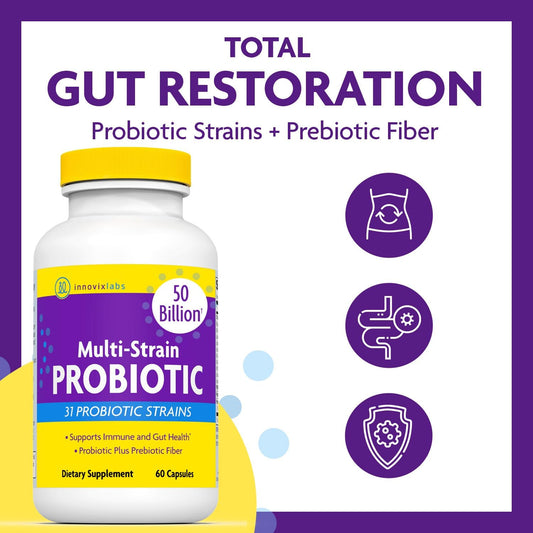
Multi-Strain Probiotic
Regular price $34.99Regular priceUnit price per$34.99Sale price $34.99 -
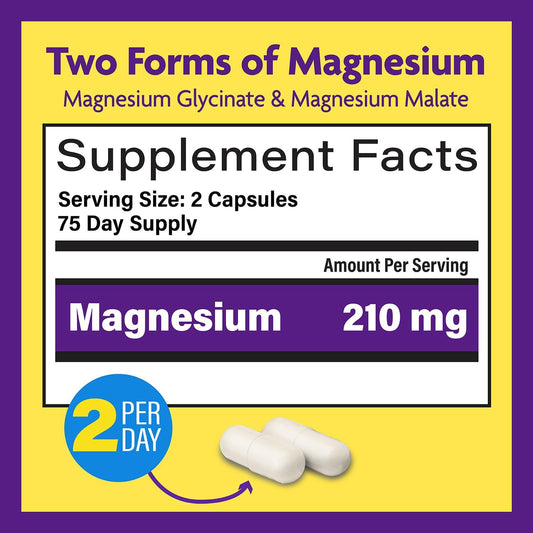
Advanced Magnesium
Regular price $24.99Regular priceUnit price per$24.99Sale price $24.99 -
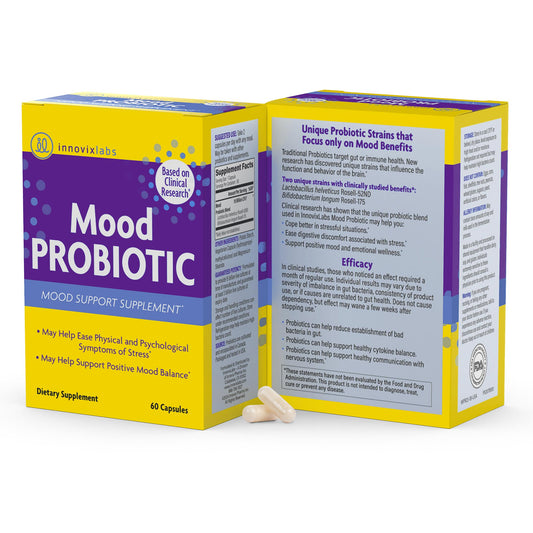
Mood Probiotics
Regular price $29.99Regular priceUnit price per$29.99Sale price $29.99 -
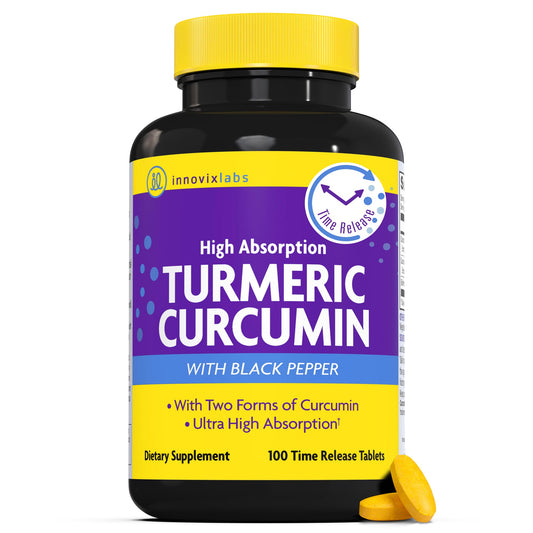
High Absorption Turmeric Curcumin
Regular price $34.99Regular priceUnit price per$34.99Sale price $34.99 -
Broad Spectrum Prebiotic Fiber
Regular price $24.99Regular priceUnit price per$24.99Sale price $24.99 -
Collagen Peptides
Regular price $34.49Regular priceUnit price per$0.00Sale price $34.49







Overview of Mood Health and Stress Support
If stress or a bad mood has ever left you with an upset stomach, you’re not just making things up. Researchers have been studying the links between mood health and gut health for years, from that queasy feeling you get on a bad day to how the brain knows when we’re hungry or full. What’s behind this connection? The gut-brain axis, a communication pathway between the gastrointestinal system and the brain.
We also know that probiotics play a role in digestive health, supporting beneficial microorganisms in the body that help regulate essential functions. Ongoing research examines how a healthier gut supports other key systems, including probiotics for mood support.
Probiotics and Magnesium for Mental Well-Being
Our Mood Probiotic supplement contains 15 billion active cultures selected for their role in easing stress-related digestive issues and supporting coping abilities in stressful situations. Think of it as one simple step to strengthen both your stomach and your mind.
Boosting mood and cognitive function are just part of the stress-relief equation. The calming effects of Advanced Magnesium help promote relaxation and sleep, so you get the support you need around the clock. Magnesium also helps food move through the digestive system, which can improve uncomfortable conditions, like constipation. You can feel more relaxed when and where it matters most.
FAQ
Can probiotics really improve mood?
The gut-brain axis runs along the vagus nerve; not only is this the longest nerve in the body, but it’s also a key pathway for neurotransmitters that help regulate mood, including serotonin. You might be surprised to learn that 90% of serotonin is produced in the gut, which is why stress and digestive discomfort are often connected.
Probiotics help beneficial gut bacteria flourish to better support the body’s natural processes, like regulating the central nervous system. This includes the enteric nervous system, which directly controls the gut, and the vagus nerve.
Which Magnesium is best for anxiety and stress?
Magnesium for sleep has gained popularity in recent years, since the mineral has been shown to reduce cortisol and help the body relax. Our Advanced Magnesium contains two forms: magnesium glycinate and magnesium malate.
Magnesium glycinate is a combination of magnesium and glycine, an amino acid that helps make the magnesium easier for the body to absorb. Magnesium glycinate is believed to help reduce anxiety and premenstrual syndrome (PMS) symptoms6.
Magnesium malate is found in many foods, especially fruits with a tart flavor. It’s easily absorbed by the body and is shown to help alleviate headaches and promote bowel movements, addressing two common symptoms of stress.
Does Omega-3 help with mood?
Research conducted between 1996 and 2024 shows a link between Omega-3 supplements and improved serotonin release along the central nervous system. Omega-3 supplements are already recognized for their anti-inflammatory support, and this body of research indicates that reduced inflammation can make serotonin more available, contributing to better mood health.