
-
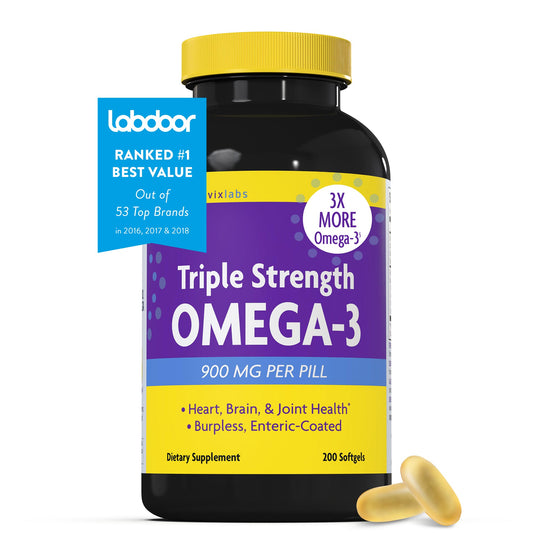
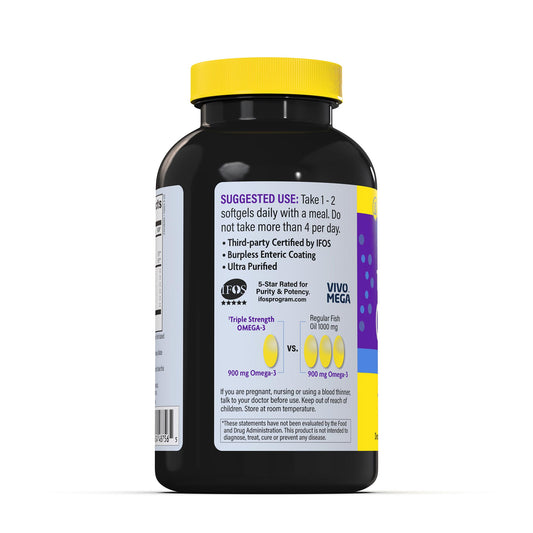
Triple Strength Omega-3
Regular price $49.99Regular priceUnit price per$0.00Sale price $49.99 -
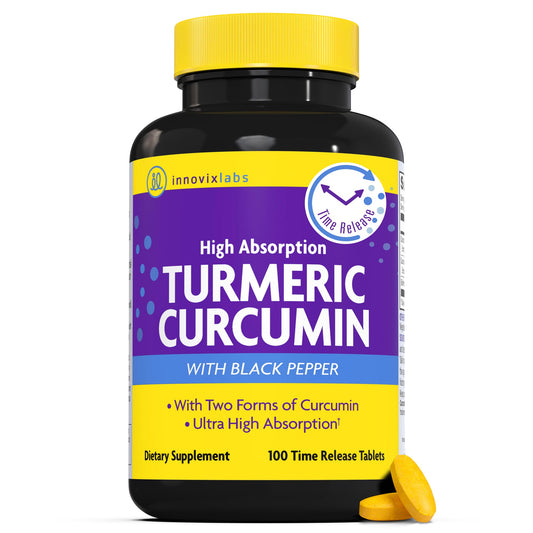
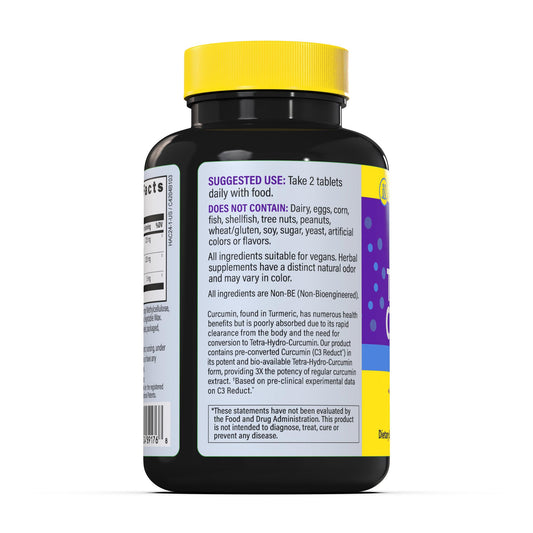
High Absorption Turmeric Curcumin
Regular price $34.99Regular priceUnit price per$0.00Sale price $34.99 -
Collagen Peptides
Regular price $34.49Regular priceUnit price per$0.00Sale price $34.49 -
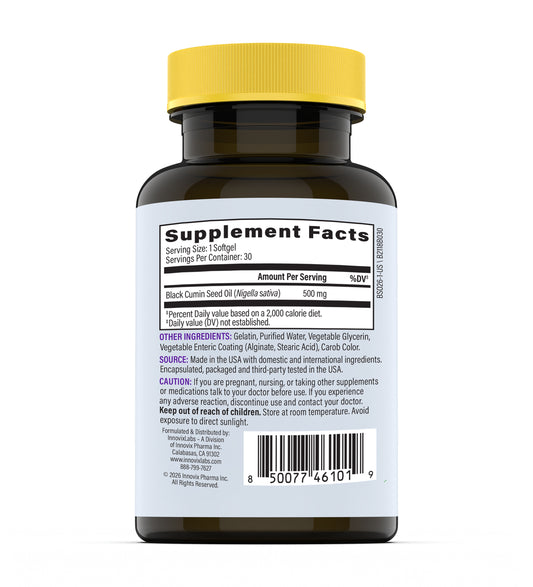
Black Seed Oil Softgels (500mg)
Regular price $19.99Regular priceUnit price per$0.00Sale price $19.99 -
Triple Strength Omega-3 (30ct Softgels)
Regular price $9.99Regular priceUnit price per$0.00Sale price $9.99




Overview of Joint Health and Mobility
Joint pain can feel frustrating and limit your overall mobility. While you should always receive a doctor's opinion for chronic pain, some studies suggest anti-inflammatory diets can reduce overall inflammation. Diets rich in fiber, vitamins C and E, omega-3, prebiotics, probiotics and zinc may improve joint health. Antioxidants found in turmeric, berries and green vegetables may also reduce inflammation.
Natural collagen production decreases over time, but age doesn’t have to slow you down. Adding Collagen Peptides to your routine can help provide easy-to-absorb amino acids that support the body’s connective tissue and promote joint support and mobility.
High-Absorption Curcumin and IFOS 5-Star Omega-3
The National Institutes of Health (NIH) Office of Dietary Supplements (ODS) suggests omega-3 consumption may be associated with reduced joint stiffness and overall reduced inflammation. To see possible benefits, the ODS lists 1.6 g of omega-3 for men and 1.1 g for women as adequate daily intake recommendations. Our Triple-Strength Omega-3 contains 900 mg of omega-3 to help you meet daily nutrition goals.
Found naturally in turmeric, curcumin can also be consumed as a supplement on its own, which is why we make High-Absorption Turmeric Curcumin. Consumption of curcumin has been linked to improved joint mobility in some cases. When consumed in recommended doses, curcumin can be used safely for 2 to 3 months at a time. Consult your doctor for guidance on long-term use.
FAQ
Is curcumin better than turmeric for joints?
Traditional eastern medicine in China and India have long included turmeric as an anti-inflammatory remedy. Its use has persisted for thousands of years. Like other antioxidants, turmeric benefits include anti-inflammatory effects.
Modern medicine isolated curcumin as one of the active components found in turmeric that can promote its anti-inflammatory effects. A broad range of studies show that both turmeric and curcumin can have positive benefits for joints.
How much omega-3 do I need for joints?
Joint health benefits from omega-3 may be achieved through consuming the daily recommended dose suggested by the ODS. An adequate intake for men is 1.6 g omega-3 per day and 1.1 g for women. Omega-3 fatty acids are a key part of an anti-inflammatory diet. In some studies, patients were able to reduce their use of NSAIDs in favor of omega-3 for joint tenderness and stiffness.
What is the fastest way to relieve joint discomfort naturally?
Joint pain can interrupt your daily functioning, so finding a way to improve discomfort and overall joint health is important. How you relieve joint discomfort will depend on the source, but several options may help when you need quick relief. The Cleveland Clinic suggests using a heating or ice pad for short periods throughout the day, as well as taking a bath in warm water.
Additionally, they propose slow-impact exercise, such as swimming or gentle stretching, as options for relief. Dietary supplements and topical treatments associated with relieving joint discomfort may also be useful.