
-
Vitamin D3 + K2 (with Vitamin A)
Regular price $29.99Regular priceUnit price per$0.00Sale price $29.99 -
Black Seed Oil Softgels (500mg)
Regular price $19.99Regular priceUnit price per$0.00Sale price $19.99

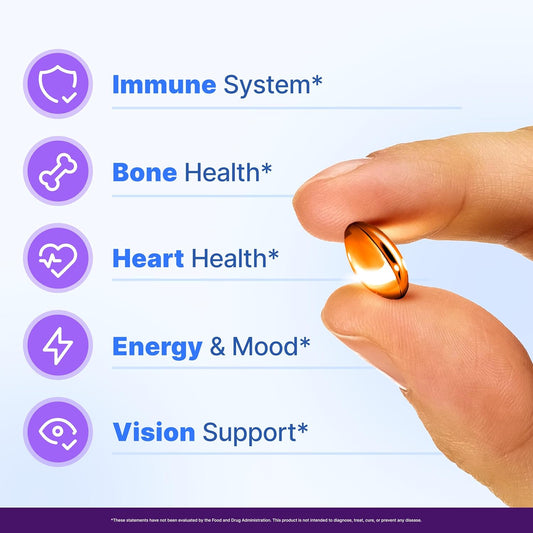

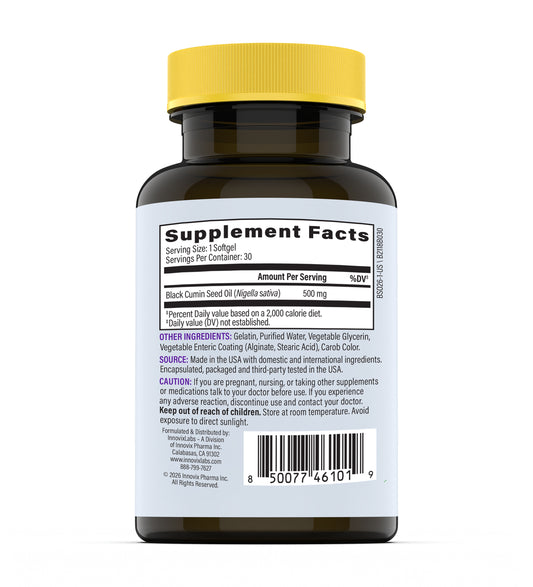
Overview of Immunity and Defense Support
When you want to live a healthy and active lifestyle, you might wonder what you can do to support your overall immune system, especially during cold and flu season. A resilient immune system is linked to longevity and a reduced chance of unwanted illnesses, so making healthy choices is key.
Studies have shown vitamins, minerals and probiotics contribute to a stronger immune system. Using immunity supplements for nutrients that you are lacking, you may be able to improve your resistance to infection and hasten immune recovery speed.
Targeted Support for Year-Round Wellness
If you live a busy life, focusing on your overall wellness may feel stressful or confusing. Many diets only focus on macronutrients like proteins, carbohydrates and fats. However, micronutrients like vitamins and minerals also affect your wellbeing. Consuming the recommended amounts can provide support for your immune system.
While the best way to consume micronutrients is through a well-rounded diet, planning meals that meet the recommended daily value of both macro and micronutrients can feel like an insurmountable task. Supplementing the daily values can help you meet your nutrition goals, even during the busiest parts of the year. With an immunity supplement like our Vitamin D3+K2 (with Vitamin A) softgel, you can easily exceed minimal daily values.
FAQ
Which vitamins boost the immune system?
A resilient immune system depends on a wide spectrum of vitamins and minerals. These include Vitamins A, B, C, D, E, and K, as well as zinc, iron, selenium, magnesium and copper. Vitamin D specifically is associated with an adaptive immune system. Studies suggest increasing access to sunlight and overall vitamin D intake to meet recommended daily values.
When meeting daily recommendations through your diet is difficult, you can rely on combination supplements like Vitamin D3+K2 to fulfill your nutritional needs. Similarly, magnesium supplements help meet daily mineral suggestions.
Can I take vitamin D every day?
Vitamin D should be a part of your overall nutrition. The National Institutes of Health Office (NIH) of Dietary Supplements (ODS) recommends both men and women consume 15 mcg of vitamin D per day with an upper limit of 100mcg per day.
Vitamin D can be fulfilled with adequate sunlight and diet, but the National Health and Nutrition Examination Survey has found that many Americans consume less than the daily recommendation. This occurrence is higher for people who are lactose intolerant, as well as those who follow a vegan diet. Your doctor can help you navigate whether vitamin D immunity supplements are right for you.
How does vitamin K2 affect arteries?
Vitamin K2 is linked to a reduction in arterial stiffness and slowed progression of vascular and valvular calcification. Because arterial stiffness is associated with negative cardiovascular health outcomes, consuming vitamin K2 may lower related risk factors. These benefits make vitamin K2 immunity supplements a worthwhile option for supporting heart health, immune system function and overall wellness.