
-
Multi-Strain Probiotic
Regular price $34.99Regular priceUnit price per$0.00Sale price $34.99 -
Mood Probiotics
Regular price $29.99Regular priceUnit price per$0.00Sale price $29.99 -
Broad Spectrum Prebiotic Fiber
Regular price $24.99Regular priceUnit price per$0.00Sale price $24.99 -
Collagen Peptides
Regular price $34.49Regular priceUnit price per$0.00Sale price $34.49







Overview of Gut Health and Microbiome Support
While vital organs, like the heart and lungs, might be the first things that come to mind when considering your health, your gut microbiome also plays an important role. From the time you are born, your gut microbiome develops into a diverse biome dependent on your environment and diet.
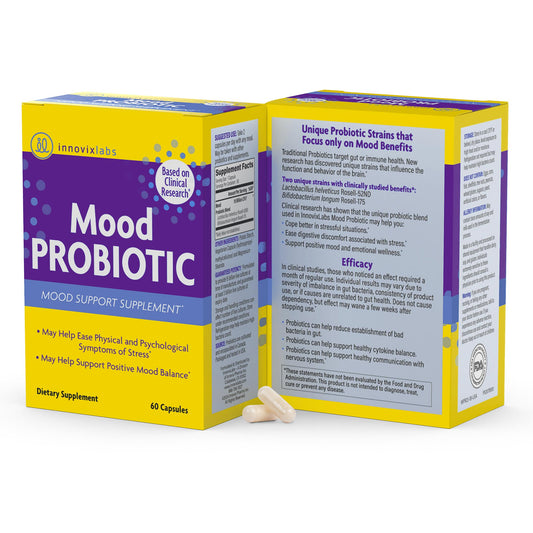
Consuming a variety of probiotic species and Broad Spectrum Prebiotic Fiber helps contribute to gut diversity and overall gut health. These can affect numerous bodily functions including your gut pH, immune system and mental health. Our Mood Probiotics were developed specifically for mood support since physical symptoms of stress can show up in the gut.
Other positive benefits may include intestinal balance as probiotics contribute to a protective barrier in your digestive tract.
Multi-Strain Probiotics and Prebiotic Solutions
Our high potency capsules take away the guesswork of trying to consume a variety of probiotic strains. While individual needs do vary, a healthy gut biome depends on diversity. Our Multi-Strain Probiotic boasts 50 billion CFU with 31 probiotic strains. These include strains of Lactobacillus, Bifidobacterium and Bacillus, which all have proven health benefits. Each of these strains assists in the production of antimicrobial substances and increased biome diversity that contribute to gut health. Additionally, Lactobacillus is associated with improved digestion and reduced constipation.
FAQ
How many strains of probiotics should I take?
While a healthy gut microbiome contains a diverse makeup of species, the specific strains also matter. People are unique, which includes their gut microbiomes. Because of the variation between individuals, a specific number of strains cannot be recommended. Instead, choose probiotic supplements that contain a set of diverse and quality strains.
Do probiotics need to be refrigerated?
Refrigeration requirements vary by manufacturer. Both the National Institutes of Health (NIH) and World Gastroenterology Organisation (WGO) advise consumers to refer to individual product guidelines for refrigeration instructions and expiration dates4. Some probiotics require refrigeration, though most can be stored at room temperature.
While refrigeration is not required for our Mood Probiotic, doing so may help maintain the bacteria count. If you opt to store it outside of a refrigerator, it should be kept in a cool, dry place. Other InnovixLabs probiotic and prebiotic fibers can be stored similarly and do not need refrigeration. These include the Broad Spectrum Prebiotic Fiber and Multi-Strain Probiotic.
What is the difference between prebiotics and probiotics?
Probiotics and prebiotics are often packaged together, like in our Multi-Strain Probiotic, but you may be wondering what makes them distinct. Rather than considering the two in opposition as prebiotic vs probiotic, you should understand how they work together in tandem to improve your gut health.
Probiotics can improve gut microbiome diversity that is linked to positive health outcomes, such as improved immunity and cholesterol reduction. Prebiotics encourage the growth of probiotics in your gut and can help improve overall immune system function.