
-
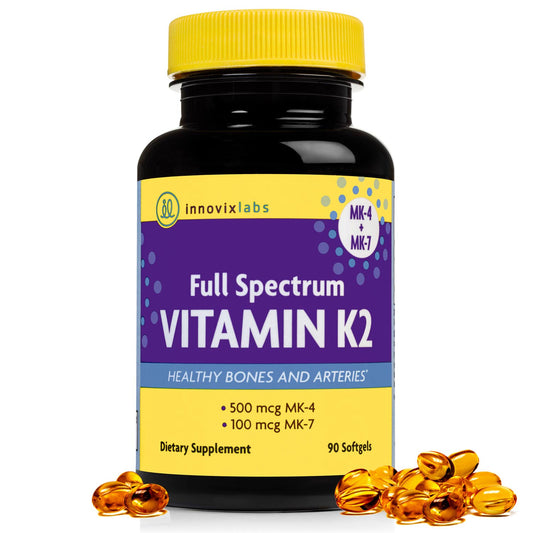
Full Spectrum Vitamin K2
Regular price $26.99Regular priceUnit price per$0.00Sale price $26.99 -
Advanced Magnesium
Regular price $24.99Regular priceUnit price per$0.00Sale price $24.99 -
Vitamin D3 + K2 (with Vitamin A)
Regular price $29.99Regular priceUnit price per$0.00Sale price $29.99 -
Broad Spectrum Prebiotic Fiber
Regular price $24.99Regular priceUnit price per$0.00Sale price $24.99 -
Collagen Peptides
Regular price $34.49Regular priceUnit price per$0.00Sale price $34.49 -
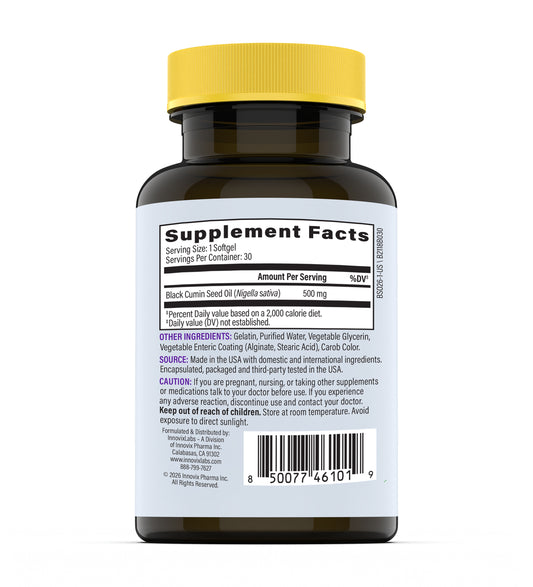
Black Seed Oil Softgels (500mg)
Regular price $19.99Regular priceUnit price per$0.00Sale price $19.99







Overview of Bone Health Supplements
The bones in your body are constantly changing. In youth, bones spend most of their time growing and becoming denser before bone density peaks, around 25 to 30 years of age. After this point, people tend to lose bone mass, which can lead to bone health complications.
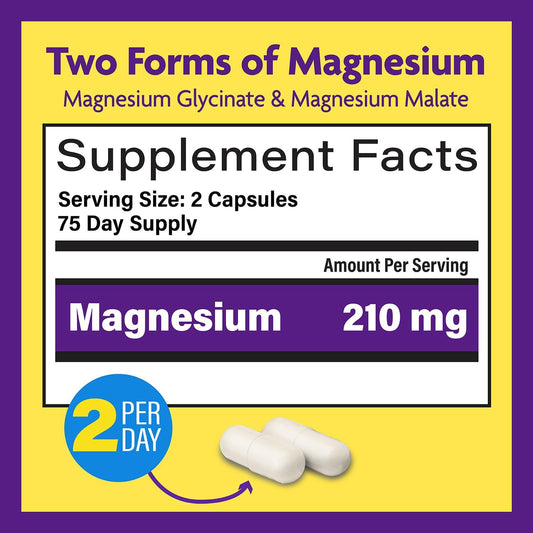
However, nutrients and exercise can support skeletal integrity and bone strength. Magnesium supplements like our Advanced Magnesiumfor example, can support bone structure and manage muscle cramps.
The Role of Vitamin K2 and Magnesium in Bone Strength
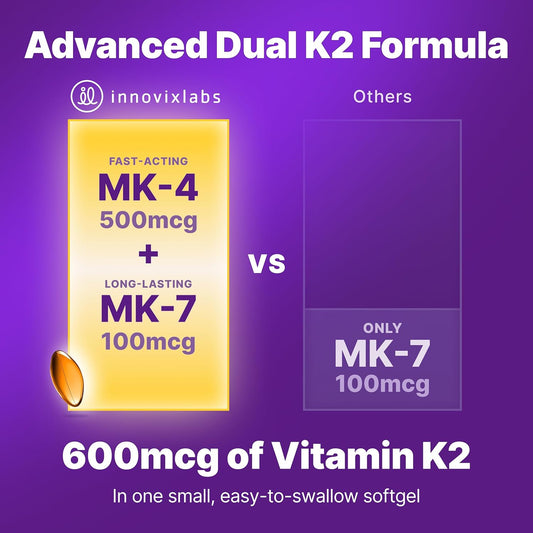
Vitamin K2 has several subtypes, each of which performs a different function in the body4. The two K2 vitamins most relevant to this topic are known as MK-4 and MK-7. You’ll find both in our Full Spectrum Vitamin K2 supplement. MK-7 is well known to manage fracture risk in bones and is more readily bioavailable than other K2 vitamins, and MK-4 has similar effects but a shorter half-life in the body. These forms of vitamin K2 work by enabling your body to transport calcium more effectively to manage bone health.
FAQ
What is the best vitamin for bone density?
If anyone ever told you to drink milk for strong bones, they were onto something. Calcium is indeed one of the key nutrients needed for maintaining good bone health8. It promotes higher bone density and strength, but it also needs vitamin D to be made more easily bioavailable. In fact, vitamin D3 and K2 have a similar relationship, making vitamin D3 an important vitamin available for healthy bone density.
Why do I need Vitamin K2 for my bones?
Vitamin K2 plays an essential part in maintaining bone health, such as managing fracture risks. Without K2 vitamins in your diet, your body is less efficient at processing calcium, which is hard to notice when you're younger but becomes more and more apparent as you age.
Which magnesium is best for bone health?
Magnesium supplements may contain one of many different magnesium-based compounds, but not all of these are equal when it comes to bone health. It's typically best to take a form of magnesium that's easy for your body to process so that you can absorb more of this critical nutrient per dose.
Magnesium malate is readily bioavailable and easy on the stomach, making it a popular choice. There's also magnesium glycinate, which is found in foods like fish, dairy, and legumes. This formulation is known for helping manage sleep, which aids bone formation.